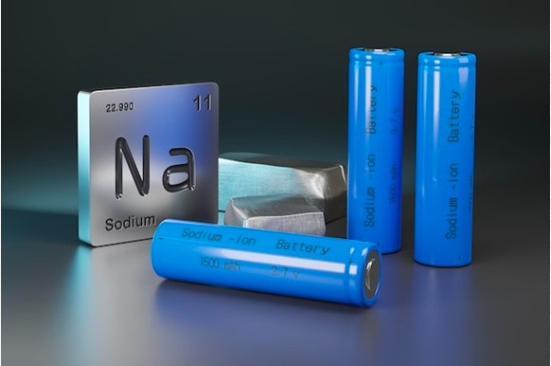
Китай стремительно становится мировым лидером в натрий-ионные батареиЭлектроскутеры выступают в качестве полигона для испытаний этой новой технологии. В отличие от традиционных литий-ионных или свинцово-кислотных батарей, натрий-ионные элементы используют доступные материалы, такие как соль, что делает их дешевле и менее зависимыми от дефицитных минеральных ресурсов. Крупные производители двухколесной техники, такие как Yadea, уже выпустили несколько моделей скутеров с натриевыми батареями, поддерживаемых станциями быстрой зарядки и станциями замены батарей, которые органично вписываются в растущую китайскую систему зарядки.
Рынок двухколесных транспортных средств представляет собой идеальную точку входа для натриевых батарей. Эти транспортные средства требуют меньшего запаса хода и более низких скоростей по сравнению с автомобилями, что снижает нагрузку на плотность энергии — ключевое ограничение технологии натрий-ионных батарей. Учитывая, что только в Китае в 2023 году было продано более 55 миллионов электросамокатов, масштабы этой отрасли создают благодатную почву для массового внедрения. Пилотные проекты с водителями-курьерами в таких городах, как Шэньчжэнь, еще раз демонстрируют, как натриевые батареи могут органично вписаться в ежедневные поездки благодаря сетям обмена.
Помимо скутеров, натрий-ионные батареи тестируются в системах хранения энергии для электросетей. Их потенциальная более низкая стоимость и стабильная работа в холодную погоду делают их привлекательными для интеграции в возобновляемые источники энергии, где размер и вес менее критичны. Китай уже построил станции хранения энергии на основе натрия, и примерно пятая часть запланированных новых проектов по хранению энергии включает в себя натриевые технологии. Хотя они по-прежнему дороже в пересчете на единицу энергии, чем литий-ионные батареи, аналитики ожидают, что разница в цене сократится по мере увеличения объемов производства.
Агрессивные инвестиции Китая, включающие строительство десятков новых заводов и миллиарды долларов, вложенные в НИОКР, гарантируют ему доминирование в этой области, если натриевые батареи достигнут готовности к массовому рынку. Хотя компании в США и Великобритании также разрабатывают эту технологию, их меньшие масштабы затрудняют конкуренцию. Для Китая стратегия ясна: сохранить лидерство в области батарей за счет диверсификации производства за пределы литиевых аккумуляторов, при этом скутеры послужат стартовой площадкой для коммерциализации натрий-ионных батарей и, потенциально, для их будущего глобального внедрения.